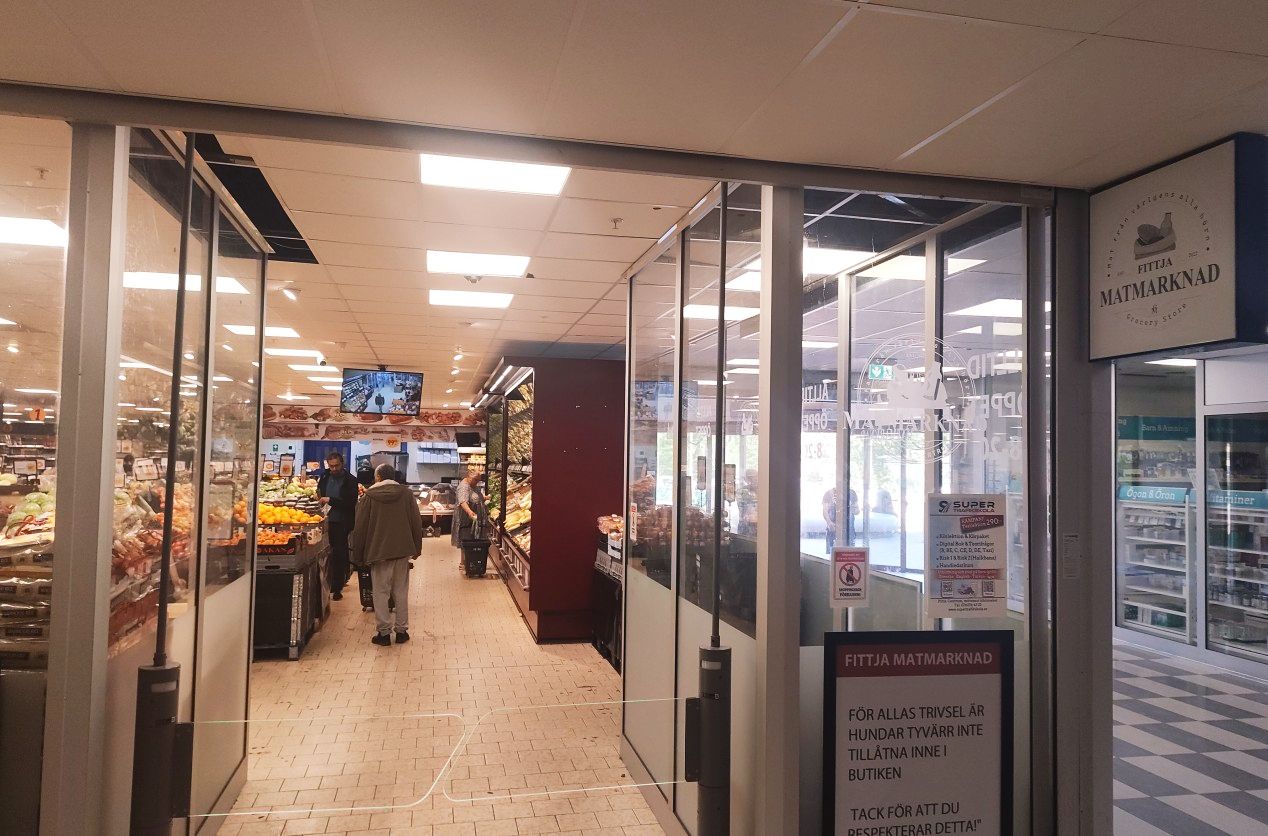
Quick Facts
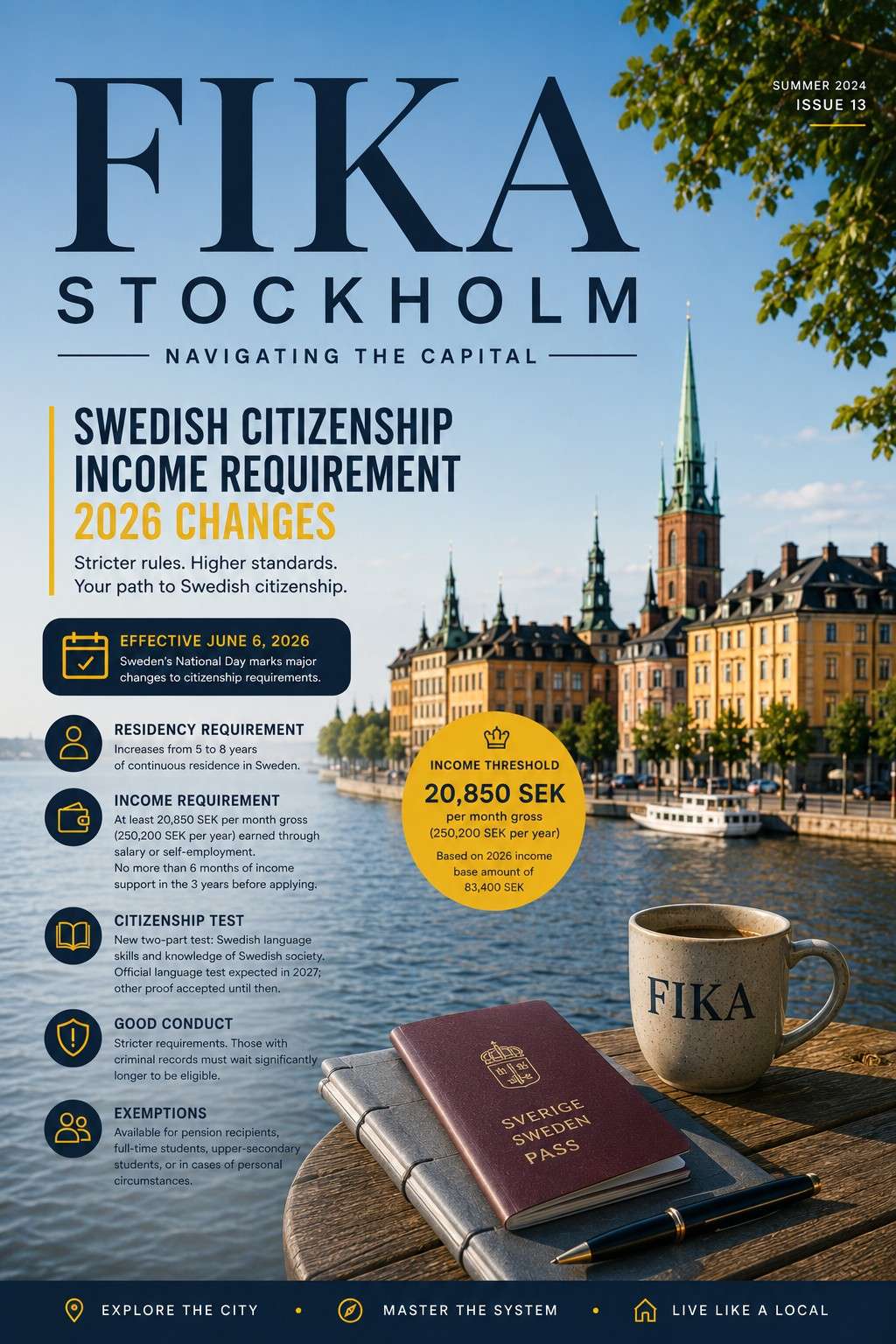
- Effective date: June 6, 2026 (Sweden’s National Day)
- New residency requirement: 8 years (up from 5 years)
- New income floor: 20,850 SEK/month gross (250,200 SEK/year)
- Income base amount (2026): 83,400 SEK
- Income support limit: No more than 6 months of benefits in the 3 years prior to application
- Citizenship test: Two-part exam covering Swedish language and society knowledge
- Good conduct rule: Stricter; criminals must reside significantly longer before applying
- Exemptions: Pensioners, full-time students, upper-secondary students
Sweden is introducing significantly stricter citizenship requirements effective June 6, 2026, Sweden’s National Day, marking some of the most substantial changes to the naturalization process in the country’s history.
The changes come after years of political debate over integration and labour market participation, and represent a major shift in how Sweden evaluates citizenship applications.
The new rules take effect on Sweden’s National Day, June 6, 2026
The New Income Requirement
The most significant change is the introduction of a formal income requirement. Applicants must demonstrate financial self-sufficiency of at least 20,850 SEK per month gross, earned through salary or self-employment.
This threshold is equivalent to three income base amounts (a figure updated annually by the Swedish Tax Agency). Based on the 2026 income base amount of 83,400 SEK, this translates to 250,200 SEK per year.
How the Requirement Works
- The income must be earned, through employment or registered self-employment
- No more than six months of income support can have been received during the three years prior to application
- Income is calculated based on your tax records, so undocumented or informal work will not count
This is a hard threshold. If your monthly gross income falls below 20,850 SEK in any given month, that month does not count toward the requirement, even if your overall annual income is higher.
Residency: From 5 Years to 8 Years
The standard residency requirement increases from 5 to 8 years. This means you must hold a valid residence permit for at least eight consecutive years before becoming eligible to apply for citizenship.
Exceptions
- Refugees and their family members: Still qualify after 4 years of residency
- Certain humanitarian grounds: May retain the 5-year rule in specific circumstances
The New Two-Part Citizenship Test
A new two-part citizenship test is being introduced, covering:
- Swedish language skills, proof of sufficient proficiency in spoken and written Swedish
- Knowledge of Swedish society, covering democracy, history, culture, and fundamental Swedish values
The language requirement corresponds roughly to level Svenska som andrasprak (SVA) or the equivalent of B1 on the CEFR scale.
Timing Note
The official language test is not expected to be fully operational until 2027. In the interim, other evidence of language skills, such as completed Swedish language courses, employment references in Swedish, or university transcripts showing Swedish studies, will be accepted.
 Preparing for the new citizenship test requires both language study and civic knowledge
Stricter Good Conduct Requirements
Sweden is also tightening the good conduct rules. Applicants with a criminal record will now need to reside in Sweden significantly longer before being eligible to apply.
The exact extension depends on the nature and severity of the conviction, but the principle is clear: the more serious the record, the longer the wait.
Minor offences may still be forgiven after a period of crime-free residency, but serious crimes, including violent offences, drug offences, and crimes against the state, can result in a multi-year additional waiting period on top of the standard eight years.
Exemptions to the Income Requirement
Not everyone is held to the 20,850 SEK/month standard. The following groups are exempt:
- Pension recipients, those receiving Swedish or equivalent foreign pensions
- Full-time students, those pursuing university or higher education
- Upper-secondary students, those enrolled in high-school level programmes
- Personal circumstances, cases where meeting the requirement cannot reasonably be expected, such as serious illness or documented disability
It is important to note that exemptions are evaluated individually. Having one of the above characteristics does not automatically guarantee an exemption, you must demonstrate it to Migrationsverket with supporting documentation.
How to Prepare for the New Requirements
If you are already on a path to Swedish citizenship, here is how to prepare:
- Check your income history, Review your past tax assessments to ensure you meet the 20,850 SEK/month threshold consistently
- Reduce benefit dependency, Avoid income support (socialbidrag) where possible; count any months received carefully
- Start language studies now, Even before the test is operational, improving your Swedish will help with both the test and your exemption evidence
- Maintain a clean record, Any criminal contact after your residency period begins counts against you
- Consult Migrationsverket, If your situation is complex (self-employment, multiple permit types, gap years), seek professional advice before applying
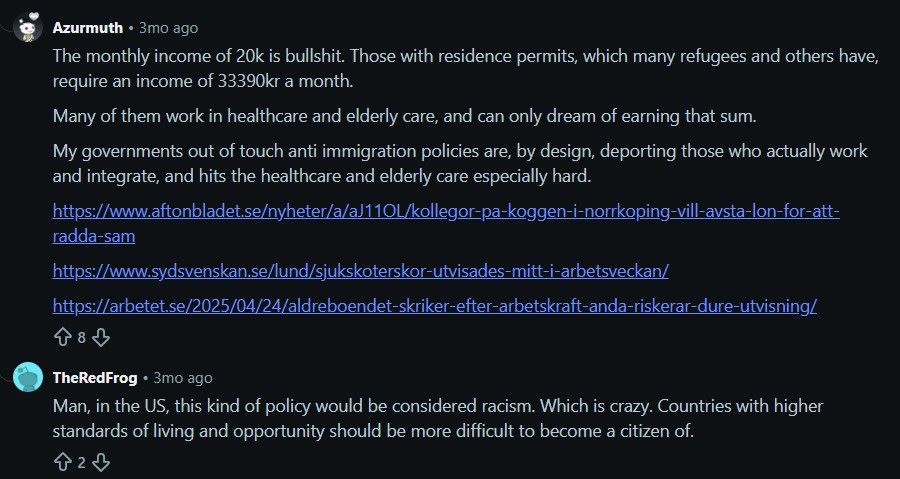 Experiences shared by applicants navigating Sweden’s naturalisation process

Budget 12 Months Ahead of Your Application Date
The 2026 income floor of 20,850 SEK per month is the most significant new hurdle for naturalization applicants. Track your monthly gross pay against this threshold across the full qualifying period — one month below can delay your application by a full year. Check your residence permit type against the approved list, and prepare your tax records and salary slips well before you submit. The citizenship timeline rewards consistent financial planning, not last-minute preparation.